Dallas Medical Malpractice Attorney
Medical Malpractice FAQ:
What is Medical Malpractice?
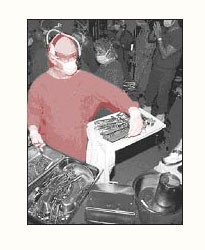
The definition of medical malpractice is when a physician delays or fails to properly treat a medical condition and that results in a personal injury or substantial loss of income.
There are several ways Medical Malpractice may occur.
- 1. Delaying or failing to diagnose a disease
- 2. Failure of the surgeon to gain the patient’s consent
- 3. Failure of the surgeon to properly treat the disease
- 4. Anesthesia or surgical mishap during an operation
- 5. Misuse of a medical device or prescription drugs
Why is a Medical Malpractice Attorney necessary?
A medical malpractice attorney understands medical laws and knows about medical conditions. This knowledge will help a claim reach the courts in the fastest, accurate and most complete way possible. A medical malpractice attorney will work through the medical law and hospital system to find out what your rights and legal options are.
What is the first step you should do in pursuing a medical malpractice claim?
While not every bad outcome is due to medical malpractice, one who suspects that something was wrong should contact a qualified Dallas medical malpractice attorney to assess the material. Many times the medical malpractice attorney will consult with medical professionals. This process involves reviewing medical records and other related information. If there is substantial evidence to support a case, the next step is to give written notice of the claim to the individuals that are believed to have committed the medical malpractice.
Medical Malpractice Statistics
In an article published in the Journal of the American Medical Association (JAMA), over 225,000 due to a complication in treatment. This is now the third leading cause of death following heart disease and cancer in the United States
- 12,000 deaths/year from unnecessary surgery
- 7,000 deaths/year from medication errors in hospitals
- 20,000 deaths/year from other errors in hospitals
- 80,000 deaths/year from infections in hospitals
- 106,000 deaths/year from non-error, adverse effects of medication
The Dallas Medical Malpractice Law Firm has successfully litigated many medical malpractice cases. If you think you may have a medical malpractice case, call Dallas/Fort Worth medical malpractice attorney for a FREE consultation.
Practice Areas: Medical Malpractice, Hospital Mistakes, Hospital Negligence, Surgical Injuries, Cancer Misdiagnosis, Birth Injuries, Medication Errors, Wrongful Death, Improper Medication, Emergency Room Negligence, Failure to Diagnose, Traumatic Brain Injury, Spinal Cord Injury